Leveraging AI for HR and People Analytics: Tools and Techniques
AI is transforming HR by turning workforce data into actionable insights. With modern tools and people analytics, organizations can improve hiring, predict attrition, enhance engagement, and make smarter talent decisions.
 Prerana B A
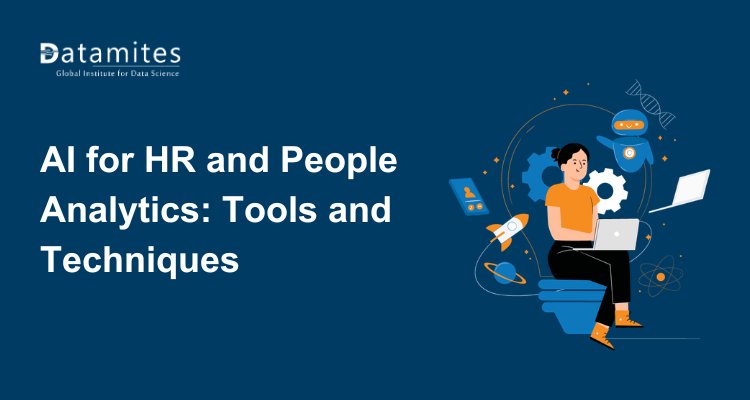
Human Resources has moved far beyond spreadsheets and manual reporting. Today, organizations rely on data to understand employee behavior, improve engagement, and make smarter talent decisions. This is where AI in HR is making a real impact.
From AI powered recruitment to advanced workforce analytics, AI helps companies analyze large volumes of HR data faster and more accurately. What once took weeks can now be done in minutes using modern HR analytics software.
As a result, HR leaders are increasingly using AI in people analytics to gain deeper insights into employee performance, engagement, retention, and workforce planning.
How AI is Transforming HR and People Analytics
Artificial Intelligence is rapidly transforming how organizations manage their workforce. AI in HR refers to the use of technologies such as machine learning, predictive analytics, and natural language processing to improve human resource processes. These technologies allow HR teams to analyze large volumes of employee data, automate repetitive tasks, and make smarter workforce decisions. Studies show that 80% of HR leaders believe AI will significantly transform HR functions within the next three to five years.
People analytics, also known as HR data analytics, focuses on collecting and analyzing employee-related data to understand workforce trends and improve HR strategies. It helps organizations evaluate recruitment efficiency, employee performance, engagement, and retention. Research indicates that around 47% of HR professionals already use AI in recruitment and candidate sourcing, while AI-driven hiring tools can reduce recruitment time and costs significantly.
When AI is integrated with people analytics, organizations gain deeper insights into employee behavior and workforce patterns. AI-powered analytics can predict workforce trends with up to 90% accuracy, helping companies identify skills gaps, forecast attrition, and improve workforce planning. As a result, HR professionals can make more accurate, data-driven decisions and enhance overall talent management and organizational performance.
Refer these articles:
- The Role of AI in Finance
- Key Challenges in Implementing AI in Marketing
- The Rise and Evolution of AI in Healthcare
Key Benefits of Leveraging AI in HR
Using AI in HR helps organizations manage their workforce more efficiently by analyzing employee data, automating routine tasks, and improving decision-making. Below are some key benefits:
- Data-Driven Decision Making: AI analyzes large amounts of HR data to help organizations make better decisions about hiring, promotions, and workforce planning.
- Improved Recruitment: With AI powered recruitment, HR teams can automatically screen resumes and identify the most suitable candidates, reducing hiring time.
- Better Employee Experience: AI helps analyze feedback and engagement data, allowing companies to improve workplace culture and employee satisfaction.
- Predictive Analytics for Retention: Predictive analytics in HR helps identify employees who may leave the organization, allowing HR teams to take proactive retention steps.
- Automation of HR Tasks: HR automation tools can handle repetitive tasks like scheduling interviews, answering employee queries, and managing HR requests.
- Better Workforce Planning: AI-driven workforce analytics helps organizations predict future staffing needs and identify skill gaps.
- Improved Performance Management: AI supports employee performance analytics by identifying productivity trends and areas where employees may need development.
These benefits show how AI tools for HR professionals are transforming traditional HR practices into intelligent, data-driven processes that improve both organizational performance and employee experience.
Top AI Tools Used in HR and People Analytics
Many organizations rely on specialized AI tools for HR professionals to improve decision-making and workforce insights.
Workday
Purpose: HR management and workforce analytics
Workday is a leading HR analytics software platform that integrates HR operations with advanced analytics. It provides real-time HR dashboards, workforce planning insights, and talent management analytics.
Key capabilities include:
- Workforce analytics
- Talent lifecycle management
- Employee performance tracking
- HR reporting and insights
Visier People
Purpose: Advanced people analytics and workforce insights
Visier is widely known as one of the most powerful people analytics tools available.
Features include:
- Predictive workforce modeling
- Advanced HR data analytics
- Employee lifecycle analysis
- Strategic workforce planning
Visier helps HR leaders transform raw employee data into actionable insights.
HireVue
Purpose: AI-powered recruitment and candidate assessment
HireVue uses artificial intelligence to streamline the recruitment process.
Its capabilities include:
- AI-based video interview analysis
- Candidate skill assessment
- Automated screening
This makes AI powered recruitment faster and more efficient.
Eightfold AI
Purpose: Talent intelligence and skill-based hiring
Eightfold AI uses machine learning in HR to match candidates with jobs based on skills rather than just resumes.
Key features:
- Talent intelligence platform
- Internal mobility recommendations
- Skills-based hiring
It helps organizations build stronger talent pipelines.
Leena AI
Purpose: HR chatbot and automation
Leena AI is an intelligent HR assistant that automates employee support and HR operations.
Capabilities include:
- HR chatbot support
- HR workflow automation
- Employee query management
It reduces administrative workload while improving employee experience.
Culture Amp
Purpose: Employee engagement and sentiment analytics
Culture Amp focuses on employee engagement analytics and workplace culture insights.
Key features:
- Employee surveys
- Sentiment analysis
- Performance analytics
- Culture improvement insights
This platform helps organizations understand how employees feel about their workplace.
Refer these articles:
- Top AI Trends That Will Shape 2026
- PyTorch vs TensorFlow: Which is Better?
- What Are Graph Neural Networks? Simple Guide for Beginners
Key Techniques Used in AI-Driven People Analytics
Modern HR analytics tools use AI technologies to analyze workforce data and generate insights for better HR decisions. These techniques help organizations understand employee behavior and predict workforce trends.
Machine Learning
Machine learning in HR allows systems to learn from historical employee data and identify patterns automatically. Over time, these models improve their predictions as more data becomes available.
HR teams use machine learning to analyze factors such as performance records, engagement scores, career progression, and compensation trends. This helps organizations predict outcomes like employee turnover, identify high-potential employees, and improve hiring decisions.
For example, machine learning models can detect patterns among employees who previously resigned and identify current employees with similar characteristics. HR teams can then act early to strengthen retention.
Natural Language Processing (NLP)
Natural Language Processing (NLP) helps HR systems analyze large volumes of text-based data. In many organizations, valuable employee insights are hidden in written feedback and documents.
NLP is commonly used to analyze:
- Employee engagement surveys
- Interview transcripts
- Performance reviews
- Candidate resumes
By analyzing this information, HR teams can identify common themes, employee concerns, and workplace sentiment. This allows organizations to better understand employee experiences and improve internal communication and engagement strategies.
Predictive Analytics
Predictive analytics in HR uses historical data and statistical models to forecast future workforce outcomes. Instead of reacting to problems after they occur, HR leaders can anticipate issues and make proactive decisions.
Predictive analytics helps organizations forecast:
- Employee turnover
- Hiring success rates
- Workforce demand
- Training effectiveness
For instance, predictive models can identify employees who may be likely to leave the organization in the near future. HR teams can then implement retention strategies such as career development programs or improved engagement initiatives.
Sentiment Analysis
Sentiment analysis is used to measure employee emotions and attitudes based on written communication. It evaluates whether feedback from employees is positive, negative, or neutral.
This technique is widely used in employee engagement analytics to understand how employees feel about their workplace, leadership, and company culture. By identifying changes in employee sentiment, HR teams can detect dissatisfaction early and take corrective actions.
Data Mining
Data mining involves exploring large HR datasets to discover patterns and relationships that may not be immediately visible. Organizations collect huge amounts of employee data through HR systems, performance tools, and engagement platforms.
Using data mining, HR professionals can identify factors that influence performance, productivity, and employee retention. These insights help organizations design better HR policies and workforce strategies.
Recommendation Systems
Recommendation systems analyze employee data to suggest personalized actions such as training programs, career paths, or internal job opportunities.
These systems evaluate employee skills, experience, and performance to provide relevant recommendations that support professional growth. This helps organizations improve talent management analytics and encourage continuous employee development.
Network Analysis
Network analysis examines relationships and collaboration patterns among employees within an organization. Instead of focusing only on individuals, it studies how employees interact with each other.
This technique helps HR teams understand teamwork, knowledge sharing, and communication structures within the company. By identifying key connectors and collaboration patterns, organizations can improve teamwork and overall workplace productivity.
Artificial Intelligence is transforming how organizations understand and manage their workforce. By combining AI in HR analytics, HR data analytics, and workforce analytics, companies can gain valuable insights into employee performance, engagement, and retention.
Modern AI tools for HR and HR analytics software help organizations move beyond traditional reporting and adopt predictive, data-driven decision-making. From AI powered recruitment to employee engagement analytics, AI improves efficiency while enhancing the employee experience.
However, successful adoption requires responsible use of AI, transparency, and strong data governance. Organizations that effectively implement AI in people analytics can gain a competitive advantage in attracting and retaining top talent.
DataMites Institute offers a comprehensive AI for HR and People Analytics course designed to help HR professionals leverage artificial intelligence for smarter, data-driven workforce decisions. The program covers AI fundamentals, people analytics, and practical applications across areas such as talent acquisition, employee engagement, workforce planning, and performance management. It is part of a wider learning portfolio that also includes AI programs for Product Managers, Healthcare Professionals, Finance and Risk experts, Marketing professionals, Business Leaders, and other working professionals across industries.
Learners can choose flexible training options, including online classes, classroom sessions, and real-time project based internships to gain hands-on experience. This AI for HR course provides globally recognized certifications with accreditations from IABAC and the Certified AI Professional in People Analytics certification.
DataMites also operates through more than 30 offline centers across India, including Chennai, Bangalore, Hyderabad, Pune, Mumbai, Ahmedabad, Coimbatore, and Delhi, delivering career-focused training in both classroom and virtual formats.