Data Science Vs Data Analytics
Discover the key differences between Data Science vs Data Analytics—skills, career paths, tools, and salaries.
 Kriti Maurya
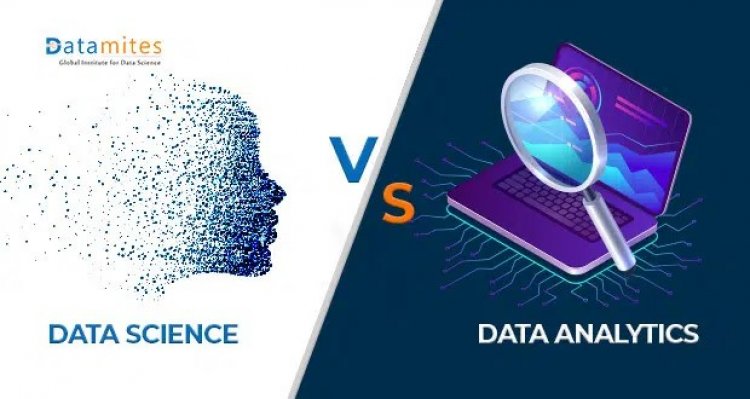
With the advancement in processing large-scale data, the terms data science and data analytics have gained prominence among technocrats aiming to optimize workflows efficiently. Both fields deal with vast datasets but require different skill sets and tools. When discussing about Data Science Vs Data Analytics, data science focuses on creating predictive models and uncovering hidden patterns, data analytics emphasizes analyzing historical data to generate actionable insights.
At first glance, data science and data analytics may seem similar, and the terms are often used interchangeably. However, understanding the data science vs data analytics distinction is crucial, as they follow different approaches and serve unique business needs.
Watch the video : What is Data Science?
What is Data Science?
Data Science is a multidisciplinary field that extracts valuable insights from structured and unstructured data using techniques from statistics, mathematics, machine learning, and data visualization. It leverages predictive modeling and advanced data science tools to uncover patterns and trends that drive innovation.
A data science career opens doors to various job roles in data science such as Data Scientist, Machine Learning Engineer, and Data Engineer. Enrolling in a data science course equips professionals with the skills needed to thrive in this rapidly evolving field.
What is Data Analytics?
Data Analytics is the process of examining large datasets to uncover hidden patterns, correlations, and insights that support informed business decisions. It involves statistical techniques and the use of powerful data analytics tools like Tableau, Power BI, and QlikView. Professionals in this field often pursue a data analytics course to master these tools and gain practical skills.
A data analytics career offers diverse opportunities with job roles in data analytics such as Data Analyst, Business Intelligence Analyst, and Reporting Analyst. According to Grand View Research, the global data analytics market was valued at USD 69.54 billion in 2024 and is expected to grow to USD 302 billion by 2030.
Refer to the articles below:
- Future of Data Analytics: What Skills Will Matter by 2030
- Top Industries Hiring Data Analysts in 2025
- Top 5 Emerging Trends in Data Analytics for 2025
Refer the video: Learn Data Analysis with the Help of Python
What is the Difference between Data Science and Data Analytics?
The key difference between data science and data analytics lies in their approach—data science builds predictive models and handles both structured and unstructured data, while data analytics focuses on interpreting structured data to provide actionable insights using BI tools. Here's a detailed point-wise comparison:
1. Key Skills Required by Data Scientists and Data Analysts:
- Data Science: Data science skills include advanced statistics, machine learning, programming in Python or R, big data technologies, and AI. Strong problem-solving, innovation, and communication abilities are essential for transforming data into strategic insights and driving business decisions.
- Data Analytics: Data analytics skills include statistical analysis, data visualization, SQL, Excel, and tools like Python or R. Analysts must also excel in reporting, communication, and business acumen to interpret data, present insights, and support strategic decision-making effectively.
In Data Science vs Data Analytics vs Big Data, data scientists create predictive models for future outcomes, while data analysts focus on extracting insights from past and present data.
2. Educational Background & Professional Pathways
- Data Science: A data science career typically requires advanced education like a master's or PhD, covering topics such as AI, machine learning, and big data. A quality data science course in Bangalore or data science training builds the expertise needed for high-impact roles.
- Data Analytics: To become a data analyst, a bachelor’s degree in a relevant field is key. A data analyst course or data analyst certification enhances skills in Excel, SQL, Python, and visualization tools—helping you land entry-level roles and grow in this dynamic field.
In the Data Science vs Data Analytics debate, data analytics can offer a more accessible starting point for aspiring professionals, with less emphasis on advanced academic specialization. The global data analytics market is expected to reach USD 333.99 billion by 2030, growing at a 29% CAGR, as organizations increasingly adopt AI, machine learning, predictive analytics, and real-time data-driven decision-making.(Source: Business Research Company)
3. Roles and Responsibilities of Data Scientists and Data Analysts:
Data Scientist:
- Advanced Data Collection and Management: Data scientists handle both structured and unstructured data. They focus on building and optimizing data infrastructure and improving data collection processes as part of their data scientist roles and responsibilities.
- Complex Data Analysis and Predictive Modeling: Using sophisticated machine learning algorithms and statistical techniques, data scientists create predictive models to forecast future trends based on historical data—core skills taught in a comprehensive data science course and data science training.
- Development of AI and Machine Learning Models: A key part of data scientist responsibilities includes developing algorithms that automate complex tasks or simulate outcomes, supporting innovation in product and service development.
- Prescriptive Analytics and Decision-Making: Beyond predictions, data scientists provide prescriptive analytics that guide actionable strategies to achieve desired business goals.
- Cross-Functional Collaboration: They often lead or engage in projects involving multiple departments—such as engineering, product, and leadership—to drive data-driven decisions across the organization.
- Innovation and Research: Data scientists continuously research new methodologies and technologies to advance analytics capabilities, a critical aspect emphasized in any quality data science training program.
Data Analyst:
- Data Collection & Preparation: As part of core data analyst responsibilities, they collect, process, and clean structured data to ensure accuracy and usability.
- Routine Analysis: Trained professionals perform routine analyses such as SQL queries and basic statistical evaluations to uncover trends—skills covered in any quality data analyst course.
- Reporting & Visualization: Creating insightful dashboards and reports using tools like Excel, Tableau, or Power BI is a vital responsibility. This is heavily emphasized in data analyst training programs.
- Descriptive Analytics: The primary focus is on descriptive analytics—analyzing historical data to explain what has happened in the past.
- Cross-Functional Collaboration: Data analysts work closely with various business units to ensure their analyses support data-driven decision-making and align with organizational goals.
In the debate of Data Science vs Data Analytics, entering data analytics is generally faster and demands less academic specialization than data science. According to a Global News Wire report, the global data analytics market size is projected to reach USD 329.8 billion by 2030, with a forecasted CAGR of 29.9%.
Refer to the articels below:
- How To Become A Data Scientist
- How To Become A Machine Learning Expert
- How to Become a Data Analyst With No Experience
4. Salary Comparison: Data Scientist vs Data Analyst
Data Scientist: Data scientist salary varies globally, According to Glassdoor:
- The annual average salary for data scientists in the United Kingdom is £70,000 - £100,000 per year, as reported by Glassdoor.
- Data scientists in Canada earn an average annual salary of CAD 100,000 - CAD 130,000 per year, according to Glassdoor.
- With an average of $130,000 - $160,000 per year, the United States offers some of the highest data scientist salaries, as reported by Glassdoor.
- According to Glassdoor, the average annual salary for data scientists in South Africa is between ZAR 4L - ZAR 7L/yr.
- The average annual salary of data scientists in India is ₹12,00,000 - ₹34,00,000 per year, as reported by Glassdoor.
- Data scientists in Australia earn an average annual salary of A$95K - A$1L/yr, according to Glassdoor.
- Switzerland boasts an average annual data scientist salary of CHF 94K - CHF 1L/yr, as reported by Glassdoor.
- Data scientists in UAE earn an average of AED 14K - AED 30K per year, according to Glassdoor.
- In Saudi Arabia, data scientists earn an average annual salary of SAR 10K - SAR 20K/yr, according to Glassdoor.
- The average annual data scientist salary in Germany is €80,000 - €110,000 per year, as reported by Glassdoor.
Enroll in a data science course to boost your skills and salary potential.
Data Analyst: The data analyst salary varies globally—based on experience and location. According to Glassdoor,
- A data analyst in the UK earns an annual salary ;between £28K - £44K per year with an average base pay of £35K/yr.
- According to Glassdoor, the annual salary for a data analyst in the USA ranges from $59K - $98K per year with an average base pay of $76K/yr.
- Glassdoor reports that annual salaries for data analysts in India can vary, potentially between ₹4L - ₹9L per year with average base pay of ₹6L/yr
- In South Africa, data analysts can earn up to ZAR 21K - ZAR 40K/mo with average base pay of ZAR 30K/mo
- The data analysts in Canada can earn up to CA$54K - CA$79K with average base pay of CA$65K/yr.
- According to Glassdoor, data analysts in the UAE can earn as much asAED 5K - AED 15K/mo with average base pay of AED 9K/mo.
- The data analysts in Germany can expect an annual salary starting at €50K - €65K/yr with average base pay of €60K/yr.
- Data analysts in Saudi Arabia have varying annual salaries, potentially reaching SAR 6K - SAR 14K/mo with average base pay of SAR 9K/mo.
Completing a data analyst course can boost skills and increase earning potential significantly.
A apart from data science, Data Engineer vs Data Analyst shows entry into data analytics is faster and needs less specialization, often impacting salary differences.
5. Career Prospects and Industry Demand Trends
Data Science: The demand for data science continues to grow as industries adopt big data and AI. A data science career offers opportunities in advanced fields like deep learning and AI ethics. Enrolling in a data science course can prepare you for this booming market.
Data Analytics: The demand for data analytics is rapidly growing as businesses rely on data-driven decisions. A data analytics career requires adapting to new tools and skills. Enrolling in a quality data analyst course can help you stay competitive and seize opportunities.
In the Data Science vs Data Analytics career debate, entry into data analytics is typically faster and demands less academic specialization than data science.
Refer to the articles:
- Linear Regression Algorithms
- Support Vector Machine Algorithm (SVM) – Understanding Kernel Trick
- Logistic Regression with Example
Choosing Between a Data Analytics and Data Science Career
Choosing between a data analytics career and a data science career depends on your interest in data interpretation versus advanced modeling. A data analyst course in Bangalore focuses on analyzing historical data to derive insights, while a data science course covers broader concepts like machine learning and predictive modeling. Both fields offer strong growth potential, with analytics rooted in business intelligence and data science leading innovations in AI and big data.
This comprehensive comparison of data science vs data analytics helps clarify career paths and skill requirements, assisting professionals in making informed decisions.
The difference between data analyst and data scientist lies in roles: data analysts focus on data visualization and insights, while data scientists use statistics and machine learning to build predictive solutions for business problems. The data science scope is broader, encompassing data analytics, which has a more micro focus. And when talking about, Data Scientist Vs Data Engineer, data scientists typically earn more due to their macro-level impact on business decisions.
Enrolling in an offline Data Analyst course in Bangalore or other leading tech cities like Chennai, Pune, Hyderabad, Ahmedabad, Coimbatore, Delhi, Jaipur, and Kolkata provides aspiring professionals with crucial industry exposure, excellent networking opportunities, and faster career advancement.
DataMites Institute specializes in delivering expert-led training across Data Science, Data Analytics, Artificial Intelligence, Machine Learning, Python, Data Engineering, and IoT. Their industry-focused curriculum includes hands-on projects, real-world experience, placement assistance, and internships, along with globally recognized certifications from IABAC and NASSCOM FutureSkills.
With a strong presence in major cities including Mumbai, Pune, Hyderabad, Bangalore, Ahmedabad, Chennai, Jaipur, Coimbatore, Delhi, and Kolkata, DataMites offers both offline and online modes for their Data Analyst course and Data Science course. This prepares learners with practical skills and comprehensive knowledge—including the difference between data science and data analytics—enabling them to excel in the competitive analytics field.
Check out the videos
What is Exploratory Data Analysis (EDA) – EDA Using Python.
What is HR analytics? – HR analytics using Python