UG vs PG in Data Science in Bangalore: Making the Right Career Choice
Explore UG vs PG in Data Science in Bangalore to compare courses, career opportunities, eligibility, and salaries to choose the right path for your future.
 Prerana B A
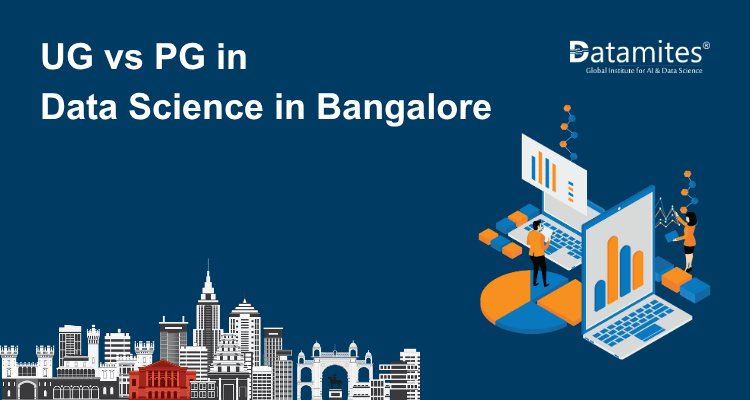
Bangalore is a leading technology hub in India, offering career opportunities in IT, fintech, e-commerce, and artificial intelligence. As demand for data-driven skills grows, Data Science in Bangalore is becoming a popular choice among students. Understanding UG vs PG in Data Science in Bangalore helps students compare eligibility, curriculum, and career prospects to choose the right programme based on their qualifications and career goals.
What Makes Bangalore a Leading City for Data Science Careers?
Bangalore’s strong IT ecosystem, growing startup culture, and presence of multinational companies create opportunities for data science professionals. Industries such as fintech, e-commerce, healthcare, and AI increasingly rely on data analytics to support business decisions. The city also offers access to industry-focused training, networking, and internships, making it an attractive destination for students planning a data science career in Bangalore.
With major companies such as IBM, Accenture, TCS, Infosys, and Google operating in Bangalore, demand for skilled data science professionals continues to grow. According to Research and Markets, the global data science platform market is projected to reach USD 631.09 billion by 2030, with a CAGR of 32.6% from 2026 to 2030. This growth highlights the expanding role of data analytics and AI across industries, making Bangalore an attractive destination for students exploring data science careers.
Refer to these articles:
- What Is Correlation in Data Science? Importance, and Real-World Examples
- Your Roadmap to Becoming a Data Science Architect
- The Ultimate Guide to Data Science Models
UG vs PG in Data Science: Eligibility, Curriculum, and Key Differences
The main difference between UG and PG programmes is their academic depth. Undergraduate education builds foundational knowledge, while postgraduate education develops advanced skills and specialised expertise.
1. Eligibility and Academic Requirements
UG programmes: Students who complete Class 12 can pursue bachelor's degrees in data science, computer science, statistics, or related fields. Mathematics may be required, depending on the institution.
PG programmes: These generally require a recognised bachelor's degree. Graduates in engineering, mathematics, statistics, or computer science may have a stronger foundation, while others may need additional preparation in programming and mathematics.
Before applying, review admission criteria, course duration, and the institution's recognition or accreditation status.
2. Curriculum and Practical Learning
UG programmes cover Python, statistics, databases, data visualisation, and basic machine learning, supported by assignments and projects.
PG programmes focus on advanced machine learning, predictive analytics, big data, statistical modelling, and AI, often including internships or industry projects.
When comparing a data science course in Bangalore, review the syllabus, practical projects, faculty experience, and real-world learning opportunities to prepare for in-demand data science roles.
3. Key Differences to Consider
- Duration: UG degrees generally take three to four years; PG degrees commonly take one to two years.
- Learning approach: UG programmes establish fundamentals, whereas PG programmes emphasise advanced applications.
- Career readiness: Both pathways require practical skills, communication, and problem-solving abilities.
- Specialisation: PG education may provide greater opportunities to focus on machine learning, advanced analytics, or related areas.
The right choice in UG vs PG in data science depends on your existing qualifications and the depth of expertise you want to develop.
Career Opportunities After UG and PG in Data Science in Bangalore
Bangalore’s IT companies, startups, and global firms use data science to analyse customer behaviour, improve operations, manage risks, and develop digital products.
Career Options After UG
UG graduates may begin with entry-level roles such as:
- Junior Data Analyst
- Reporting Analyst
- Business Intelligence Analyst
- Junior Data Scientist, where qualifications and skills meet employer requirements
Building proficiency in SQL, Python, statistics, data science tools, and visualisation platforms can improve job readiness. Internships and portfolio projects using real-world datasets also help demonstrate practical skills and technical expertise to potential employers.
Career Options After PG
PG graduates may pursue specialised roles such as:
- Data Scientist
- Machine Learning Engineer
- Advanced Analytics Associate
- Applied Data Science Specialist
These roles involve advanced analytical tasks, depending on experience and employer requirements. According to AmbitionBox, Data Scientist salaries in Bangalore range from approximately ₹4.1 lakh to ₹30 lakh per year for professionals with 1–7 years of experience. Actual salaries vary by experience, skills, and employer.
For a successful data science career in Bangalore, candidates should research job requirements and develop skills aligned with industry needs. Students exploring the Best IT courses in Bangalore should compare curriculum quality, practical training, and career support before choosing a programme.
How to Choose the Right Data Science Education Path in Bangalore
Choosing between UG and PG programmes depends on your qualifications, career goals, and budget. To build a successful data science career in Bangalore, compare course content, practical training, fees, and career support before enrolling.
Important Factors for Students
Before enrolling, consider these key factors to choose a data science programme in Bangalore that fits your qualifications, career goals, and budget.
- Academic qualifications: Choose UG after Class 12 to build foundational skills. Opt for PG if you hold a bachelor's degree and want advanced knowledge.
- Industry-relevant curriculum: Look for Python, SQL, statistics, machine learning, and hands-on projects that reflect real industry applications.
- Institution credibility: Verify faculty expertise, accreditation where applicable, internship opportunities, and transparent placement records.
- Financial planning: Choosing the right programme requires comparing data science course fees in Bangalore, course duration, certification, hands-on projects, and additional charges. Check the latest fee details with the institution to find a course that fits your budget and career goals.
- Career support: Review placement assistance, industry connections, mentorship, and alumni outcomes. Ask institutions for verifiable placement data rather than relying only on advertised salary packages.
Bangalore's competitive technology market values practical skills alongside academic qualifications. Build a portfolio of real-world projects, practise presenting data-driven insights, and seek internships to strengthen your employability.
Refer to these articles:
- How Working Professionals in Bangalore Can Switch to Data Science
- Why Upskilling Is Key for Career Growth in Bangalore IT Sector
- How Internships Shape Data Scientist Careers in Bangalore
Choosing between UG and PG in Data Science in Bangalore depends on your academic background, skills, and career goals. UG programmes build foundational knowledge, while PG programmes develop advanced expertise. Compare curriculum, practical training, fees, and career support to select the pathway that best suits your long-term goals.
For students comparing UG vs PG in Data Science in Bangalore, DataMites offers training in Python programming, statistics, machine learning, artificial intelligence, and data analytics. With a global community of over 200,000 learners and learners in 30+ countries, the institute aims to help aspiring data professionals develop practical skills for careers in data science and related technology fields. The institute also reports receiving the Best Skill Development EdTech award, highlighting its focus on skill development and industry-oriented training.
For learners seeking structured training, DataMites Institute offers data science courses in Bangalore with flexible learning options to suit different needs. Depending on the programme, learners may pursue IABAC and NASSCOM FutureSkills certifications to validate their skills. With a reported network of 50+ offline centres across India, including Bangalore, Chennai, Hyderabad, Pune, Mumbai, Coimbatore, Ahmedabad, and Kolkata, learners can explore training options that align with their learning preferences and career goals.