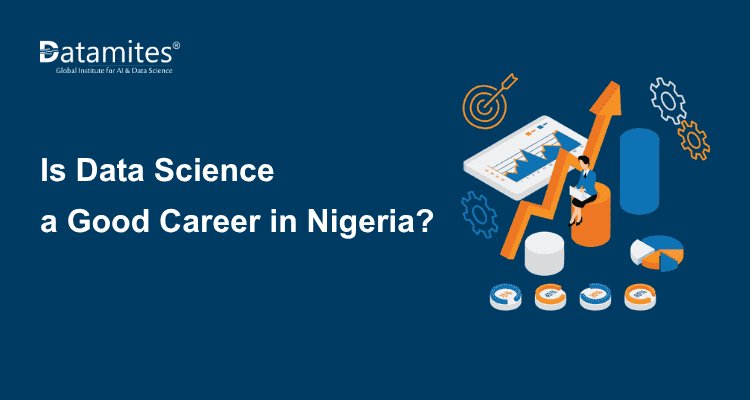
Is Data Science a Good Career in Nigeria in 2026
Is data science a good career in Nigeria in 2026? Explore salaries, job opportunities, required skills and the future outlook for data science careers.
 Swagatam Sinha
A fintech company wants to identify suspicious transactions. A retailer needs to predict which products will sell next month. An agricultural business wants to understand food-price trends before planning its supply. These problems have something in common: they require useful information to support better decisions.
Data science helps businesses analyze information, recognize patterns, and solve practical problems. In Nigeria, digital payments, online services and technology adoption make data skills relevant across several industries. However, market growth does not guarantee jobs or high salaries for beginners.
So, is data science a good career in Nigeria in 2026? It can be a worthwhile option if you enjoy problem-solving, statistics and technology. Understanding the job market, salary estimates and skills employers seek can help you decide whether this career suits your goals.
Why Is Data Science in Demand Globally?
Businesses collect data through digital transactions, customer interactions and daily operations. Data science helps them use this information to identify trends, investigate problems and make predictions.
For example, a bank can analyze transaction records to flag suspicious activity, while a logistics company can study delivery data to identify recurring delays.
The US Bureau of Labor Statistics projects employment of data scientists in the United States to grow by approximately 35% from 2025 to 2035.
These figures provide global context rather than a forecast for Nigeria. Local employment will depend on business investment, available skills and the demand for data-related services.
Refer to these articles:
- How to Become a Data Scientist With No Experience
- How Data Science is Shaping the Healthcare Industry
- Exploring Industries with High Demand for Data Scientists
What Does Nigeria’s Technology Market Mean for Data Science Careers?
Nigeria’s technology sector provides useful context for people considering a data science career. Mordor Intelligence estimates that Nigeria’s ICT market will grow from US$38.76 billion in 2026 to US$88.96 billion by 2031, with a projected compound annual growth rate of 18.07%.
These figures show the economic importance of technology, but the ICT market includes telecommunications, software, hardware and IT services. It does not measure the number of data science vacancies.
For job seekers, the more useful next step is to check which companies are recruiting for analytical roles and what skills their vacancies require.
Which Industries Hire Data Professionals in Nigeria?
Data-related work can be found in several industries, although the responsibilities and tools differ by employer.
- Banking and fintech: Analyze transactions, assess credit risk and investigate potentially fraudulent payments.
- Telecommunications: Study subscriber behavior, network performance and customer complaints.
- Retail and e-commerce: Forecast sales, monitor inventory and understand customer purchasing patterns.
- Agriculture and logistics: Examine price trends, supply requirements and delivery performance.
- Healthcare and public services: Analyze service delivery, research findings and resource allocation while protecting personal information.
These are potential applications, not confirmation that every organization hires data scientists. Some businesses need data analysts or reporting specialists rather than professionals who build machine learning models.
Lagos is worth including in job searches because of its financial services and technology businesses. Candidates should also check Abuja, other Nigerian cities and remote opportunities, confirming whether employers accept applicants based in Nigeria.
What Data Science Jobs Can You Apply for in Nigeria?
Searching for only “data scientist” may exclude relevant opportunities. Related job titles can offer different entry points depending on your technical skills and experience.
| Job title | Main responsibilities |
| Junior Data Scientist | Prepare datasets, explore patterns and support model development |
| Data Analyst | Clean data, identify trends and prepare reports |
| Business Intelligence Analyst | Build dashboards and track business performance |
| Machine Learning Engineer | Develop and deploy machine learning systems |
| Data Engineer | Build and maintain data pipelines |
| Product Analyst | Analyze product usage and customer behaviour |
| Risk Analyst | Examine financial or operational risks |
For beginners, junior data analysts, graduate analysts, business intelligence, and internship roles may be more accessible than positions requiring several years of experience.
A September 2026 listing for a data scientist/analyst at Netzence Sustainability Limited in Lagos requested SQL, Python, data visualization, and predictive modeling skills, with at least two years of experience. This illustrates why some advertised roles may not suit new graduates.
The example is not a measure of total hiring demand, and the vacancy should be checked for current status before publication.
Refer to these articles:
- How to Transition into a Data Science Career from a Non-Technical Background
- Data Science Pitfalls and How to Avoid Them
- Is Data Science Getting Saturated? Here's the Truth
What Is the Average Data Scientist Salary in Nigeria in 2026?
Data scientist salaries vary by experience, employer, location and responsibilities. Africa Salary Hub by Kernel provides the following indicative monthly gross estimates for Nigeria.
| Career level | Estimated monthly salary | Approximate annual salary |
| Entry-level | ₦343,000 | ₦4.12 million |
| Mid-level | ₦857,000 | ₦10.28 million |
| Senior-level | ₦2.29 million | ₦27.48 million |
These are estimates from a salary model, not verified national averages or guaranteed job offers. Actual earnings may be higher or lower, and gross salary differs from take-home pay after deductions.
Before relying on these figures, compare them with current job advertisements that disclose salaries. Also distinguish data scientist positions from data analyst and machine learning engineer roles, since their responsibilities and experience requirements can differ.
What Skills Do You Need for a Data Science Career?
You do not need to master every data science tool at once. Start with core skills and build on them as you identify your preferred role.
- SQL and spreadsheets: Learn to filter records, summarize data, join tables and identify missing values. These skills are useful for reporting and entry-level analytical work.
- Python and statistics: Use Python to clean data and automate tasks. Study averages, distributions, correlation and basic hypothesis testing to interpret findings accurately.
- Data visualization: Practice building dashboards with Power BI, Tableau or Python libraries. Your charts should help answer a business question, such as how sales vary across locations.
- Machine learning: Once you understand data preparation and statistics, learn regression, classification and model evaluation. Understand a model’s limitations before applying advanced techniques.
- Communication: Explain your findings clearly, including the assumptions and limitations. Employers need people who can connect analysis to business decisions.
A July 2026 policy brief from the Natview Foundation for Technology Innovation discusses Nigeria’s data and AI workforce needs. It also reports that the Click-On Kaduna Data Science Fellowship graduated 150 fellows across four completed cohorts between 2020 and 2025.
This illustrates local skills-development efforts, but training alone does not guarantee employment.
How Can Beginners Get Started in Data Science in Nigeria?
A practical learning plan should help you demonstrate your skills, not just collect certificates.
An online data science course in Nigeria is one option if you want to study SQL, Python and statistics through a structured program. Before enrolling, check the course syllabus, practical assignments and study schedule.
- Learn the fundamentals: Start with spreadsheets, SQL, statistics and Python. Practise cleaning and summarising datasets before moving to advanced models.
- Choose a target role: Data analyst and business intelligence positions may suit people who enjoy reporting. Data science involves more statistical analysis and modelling, while data engineering focuses on data infrastructure.
- Build a project using Nigerian data: Analyze publicly available food-price or economic data. Compare trends over time, explain your methods and create a simple dashboard.
- Publish your work: Share code and documentation on GitHub. Explain the question you investigated, your data source, your findings and the limitations.
- Use job descriptions to guide learning: Review several vacancies and identify common requirements. Practise the skills employers repeatedly request.
- Prepare to explain your projects: Describe the problem, your approach, what you found and how the results could inform a decision.
You can learn independently or through structured training. Choose a route that gives you sufficient practice and helps you build projects relevant to your target roles.
If you live in Abuja and prefer studying from home, an online data science course in Abuja may be worth considering. Look for a program that includes practical projects and gives you enough time to practice the skills covered in the lessons.
What Challenges Should You Consider Before Choosing Data Science?
Data science takes time to learn, and the path into the field is not the same for everyone.
- Entry-level competition: A certificate may not be enough to demonstrate practical ability. Projects and clear explanations of your work can help.
- Access to data and infrastructure: Some datasets are private or difficult to obtain. Internet access, electricity, and computing costs may also affect learning.
- Different job requirements: Analysts may need strong SQL and reporting skills, while machine learning engineers often need more programming and deployment experience.
- Continuous learning: Professionals must keep developing their technical knowledge and understanding of data quality, privacy and responsible use.
Consider these demands before committing time and money to a training program. Focus on the requirements of the role you actually want.
Refer to these articles:
- How the Financial Sector is Leveraging Data Science
- Why Do You Need Data Science for Business?
- A Beginner’s Guide to Bagging in Data Science
What Is the Future of Data Science in Nigeria Beyond 2026?
Artificial intelligence is one area to watch because AI systems rely on data for development, testing and evaluation. UNESCO’s Nigeria AI profile cites an estimate that the country’s AI market could grow from approximately US$1.05 billion in 2024 to US$4.64 billion by 2030, with projected annual growth of 28.1%.
This is an AI market forecast, not a prediction of data science employment. Organizations adopting AI may need skills in data preparation, model evaluation and monitoring, but the number of resulting jobs will depend on business investment, infrastructure and hiring decisions.
For people entering the field, SQL, Python, statistics, data visualization, and problem-solving provide a useful foundation for several data-related careers.
Is Data Science Worth Pursuing in Nigeria in 2026?
Data science can be a good career choice if you enjoy working with data and solving practical problems. Nigeria’s technology sector provides relevant context, but market forecasts alone cannot guarantee jobs or high salaries.
Before making a decision, review current vacancies, compare the skills required for data analyst and data scientist positions, and consider the time you can commit to learning. Start with the fundamentals and complete projects that demonstrate your ability to work with real data.
This approach gives you a more realistic basis for deciding whether data science fits your interests and career goals.
Building practical skills is an important step towards a data-related career. DataMites is a globally renowned institute with over 12 years of experience and more than 200,000 learners worldwide. We offer training programs in artificial intelligence, data science, data analytics, data engineering, Python development, and machine learning to help learners build relevant technical skills. Our learning approach combines core concepts with practical exercises and real-time projects, helping students and working professionals develop their understanding of data-related technologies.