Why Artificial Intelligence Matters More Than Ever
Artificial Intelligence is becoming increasingly important as businesses and industries adopt intelligent technologies to improve efficiency, innovation, and decision-making. Its growing role is creating new opportunities while reshaping how people work, solve problems, and interact with technology.
 Farheen Sabha
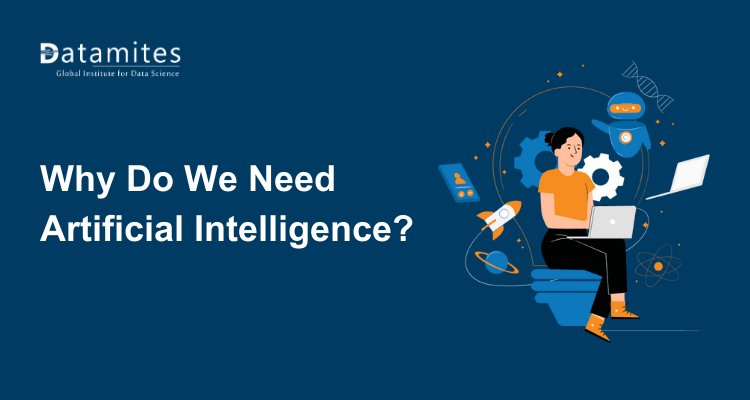
Artificial Intelligence is no longer a futuristic concept, it is a present-day reality shaping the way we live, work, and connect. From smart assistants like Alexa and Siri to advanced medical diagnostics and self-driving cars, AI has become an inseparable part of modern society. Its influence extends across industries, economies, and even individual decision-making.
As we stand on the edge of a technological revolution, one question becomes clear: Why does Artificial Intelligence matter more than ever today? The answer lies in its growing role in everyday life, its transformative impact on businesses, its economic and career potential, and the ethical considerations it brings along.
This article explores these aspects in detail and sheds light on why AI is at the heart of innovation, progress, and the future of humanity.
The Growing Role of AI in Everyday Life
Artificial Intelligence has seamlessly integrated into our daily routines, often without us realizing it. From the moment we wake up to the time we go to bed, AI quietly powers many of our decisions and actions.
- Smart Devices and Personal Assistants: Voice-enabled assistants such as Amazon Alexa, Google Assistant, and Apple Siri simplify everyday tasks, from setting reminders and checking the weather to managing smart home devices. The continued growth of voice-enabled technology reflects how artificial intelligence has become increasingly integrated into everyday digital experiences.
- Healthcare at Your Fingertips: AI-powered applications now help users track fitness progress, analyze sleep quality, and even predict potential health risks using real-time data. Wearable devices such as smartwatches leverage AI to monitor heart rate patterns and detect irregularities with greater accuracy. In fact, nearly 60% of healthcare organizations have already adopted AI-driven solutions to enhance their operations and patient care.
- Entertainment and Recommendations: Netflix, YouTube, and Spotify use AI-powered recommendation engines to suggest movies, shows, and music based on your preferences, creating personalized experiences.
- Seamless Communication: AI powers tools like Google Translate, grammar checkers, and predictive keyboards, making cross-language communication faster and more accurate.
- Transportation and Navigation: From Google Maps providing route recommendations to ride-hailing apps forecasting demand, AI is transforming travel by supporting more efficient navigation, demand prediction, and transportation services. AI is also playing an increasingly important role in the development of autonomous-driving technologies, although the pace of deployment varies across markets and vehicle systems.
These examples highlight how AI is not a distant innovation but a present companion enhancing convenience, personalization, and efficiency in our everyday lives.
Refer to these articles:
- How Artificial Intelligence is Transforming Digital Marketing
- What is a Convolutional Neural Network?
- What is Artificial General Intelligence (AGI)?
Artificial Intelligence Driving Business Transformation
Businesses across industries are undergoing digital transformation, and AI is at the core of this shift. Organizations are leveraging AI to enhance customer experience, improve efficiency, and unlock new growth opportunities.
1. Customer-Centric Solutions: Chatbots, powered by Natural Language Processing (NLP), provide instant customer support 24/7. AI analyzes customer behavior to personalize shopping experiences, boosting satisfaction and loyalty.
2. Data-Driven Decision Making: AI helps businesses analyze patterns, forecast trends, and support faster, data-driven decision-making.
3. Automation of Processes: AI-powered automation reduces repetitive tasks, improves accuracy, and frees employees to focus on strategic initiatives. For example, robotic process automation (RPA) streamlines finance, HR, and supply chain operations.
4. Revolutionizing Industries:
- Healthcare: AI assists in early disease detection, drug discovery, and personalized treatment.
- Finance: Fraud detection, credit scoring, and risk management rely heavily on AI algorithms.
- Retail: Predictive analytics optimize inventory management and sales forecasting
- Manufacturing: Smart factories use AI-driven robotics and IoT to enhance productivity and safety.
AI integration goes beyond improving efficiency; it is driving the creation of new business models and redefining customer value. The need to build relevant skills is also growing, with the World Economic Forum reporting that 85% of employers surveyed plan to prioritize upskilling their workforce by 2030 as businesses adapt to technological and economic changes.
The Economic and Career Impact of Artificial Intelligence
AI is more than a technological breakthrough; it is a significant driver of global economic growth and career opportunities.
AI and the Global Economy
- According to PwC, AI could contribute $15.7 trillion to the global economy by 2030.
- Increased productivity through automation, smarter decision-making, and AI-enabled innovations will reshape how industries operate.
- Countries investing in AI research, infrastructure, and adoption can strengthen productivity, innovation, and their ability to compete in an increasingly technology-driven economy.
Career Opportunities in AI
With AI adoption growing, demand for professionals with AI, data, and technology skills is increasing across industries.
- AI Engineer: Designing and implementing intelligent systems.
- Machine Learning Specialist: Building and training predictive models.
- Data Scientist: Interpreting and analyzing large datasets with AI tools.
- AI Product Manager: Leading AI-driven product development.
- AI Ethics Consultant: Ensuring responsible and fair use of AI.
The World Economic Forum highlights that technological change, including AI, is reshaping job roles and increasing the need for relevant digital and technology skills. For individuals, developing AI-related skills can help them adapt to changing workplace requirements and evolving career opportunities.
Refer to these articles:
The Economic and Career Impact of Artificial Intelligence
Artificial intelligence is a powerful economic engine, reshaping job markets and creating new career opportunities.
- Job Creation and Evolution: While automation replaces certain repetitive roles, it also creates demand for new positions such as AI engineers, data scientists, machine learning specialists, and AI ethicists.
- Boosting Productivity: AI enhances productivity by enabling faster analysis, reducing downtime in manufacturing, and optimizing workflows across industries.
- Economic Growth: Studies indicate that AI could contribute significantly to economic growth over the next decade. The potential impact varies across countries depending on factors such as AI adoption, digital infrastructure, workforce skills, and access to technology.
- Upskilling and Reskilling: Professionals across fields must adapt by learning new skills. Taking an artificial intelligence course or specialized certification is increasingly essential for staying relevant in the evolving job market.
- Remote and Digital Work: AI-enabled platforms support remote work by improving collaboration tools, automating scheduling, and streamlining communication.
The economic influence of AI is undeniable. While concerns about job displacement exist, the broader perspective reveals that AI is a powerful driver of growth, innovation, and higher-value career opportunities. For professionals, equipping themselves with AI-related skills is crucial to securing long-term success in the evolving job market. According to Statista, the global Artificial Intelligence market is expected to reach US$617.62 billion in 2026 and grow to US$1.42 trillion by 2032, at a 14.82% CAGR. The United States is projected to lead globally with US$414.89 billion in 2026.
Ethical and Social Importance of Artificial Intelligence
The rapid rise of AI brings not only opportunities but also critical challenges that society must address.
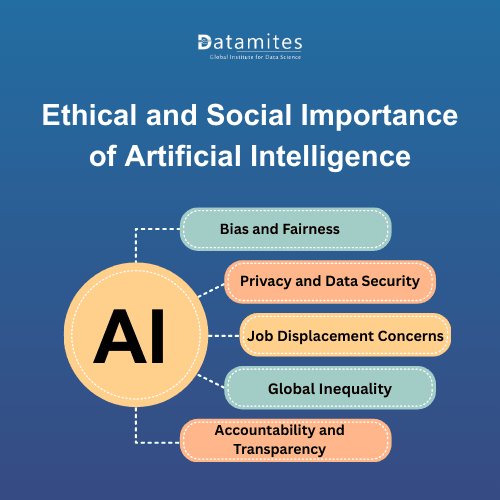
- Bias and Fairness: AI systems learn from data, and biased data can lead to unfair outcomes. This raises concerns in areas such as hiring, lending, and law enforcement. Addressing bias is essential to ensure fairness and equality.
- Privacy and Data Security: Since AI relies heavily on data, there are ongoing debates about how personal information is collected, stored, and used. Strong data protection laws and ethical AI design are crucial to safeguard privacy.
- Job Displacement Concerns: Although AI creates new jobs, it also automates certain tasks, leading to fears of unemployment in some sectors. Governments and companies must invest in reskilling programs to support workers.
- Accountability and Transparency: The “black box” nature of some AI systems makes it difficult to understand how decisions are made. Ensuring transparency and accountability is vital for trust and adoption.
- Global Inequality: Access to AI technology is uneven, with wealthier countries gaining more benefits. Bridging this digital divide is critical to prevent widening inequalities.
- AI Regulation: AI governance is becoming more concrete through regulations such as the European Union’s AI Act, which began applying on August 2, 2026, introducing requirements covering areas such as transparency, governance, and responsible AI use.
Ethical and social considerations are central to AI’s future. Addressing these issues responsibly will ensure that AI becomes a force for good rather than a source of harm.
Preparing for an AI-Driven Future
As AI continues to evolve, individuals, businesses, and societies must prepare for an AI-driven world.
- For Individuals: Lifelong learning and upskilling in AI, data science, and related fields are crucial. Developing soft skills like creativity, critical thinking, and emotional intelligence will complement technical knowledge.
- For Businesses: Organizations should embrace AI responsibly, ensuring ethical practices while leveraging technology for growth. Collaboration between human talent and AI systems will define success.
- For Governments and Policymakers: Policies around AI ethics, regulation, and education must evolve rapidly. Investment in AI research and public-private partnerships will ensure countries stay competitive.
- For Society: Public awareness of AI’s impact is essential. Educating citizens about AI’s benefits and risks can reduce fear and encourage acceptance.
Preparing for the future of AI is not just about adapting; it is about leading innovation responsibly and inclusively.
Artificial Intelligence has become a defining technology of our era, touching every aspect of life, business, and the global economy. It matters more than ever because it empowers innovation, drives economic growth, and enhances human capabilities. At the same time, it raises critical ethical and social questions that we must address collectively.
DataMites provides well-structured Artificial Intelligence training that is tailored to be both beginner-friendly and career-focused, making it suitable for fresh graduates as well as experienced professionals. For learners residing in areas such as Kudlu Gate, BTM Layout, Marathahalli and Rajajinagar, and surrounding localities, the Artificial Intelligence institute in Bangalore ensures flexible learning schedules, expert mentorship, and strong placement assistance helping individuals build or advance their careers in AI with ease.
Artificial Intelligence is revolutionizing businesses worldwide, and Chennai is fast emerging as a significant hub for this technological shift. Whether you are a student keen to explore AI, a tech-savvy learner, or a working professional looking to upskill, now is the perfect time to dive into the world of AI. Choosing the right artificial intelligence institute in chennai can open doors to exciting opportunities while equipping you with the practical skills and knowledge required to succeed in today’s data-driven economy.
DataMites offers a 9-month Artificial Intelligence course with live sessions, practical projects, and industry-focused learning. The program includes IABAC and NASSCOM FutureSkills certifications, along with placement support, mock interviews, resume preparation, and career guidance to help learners prepare for Artificial Intelligence roles.